

.svg)
Assess what candidates can do.
Resumes tell you where someone has been. Findem's skills-based assessment platform tells you what they can do — technical ability, behavioral fit, and coding readiness — with auto-graded, AI-proctored results behind every score.
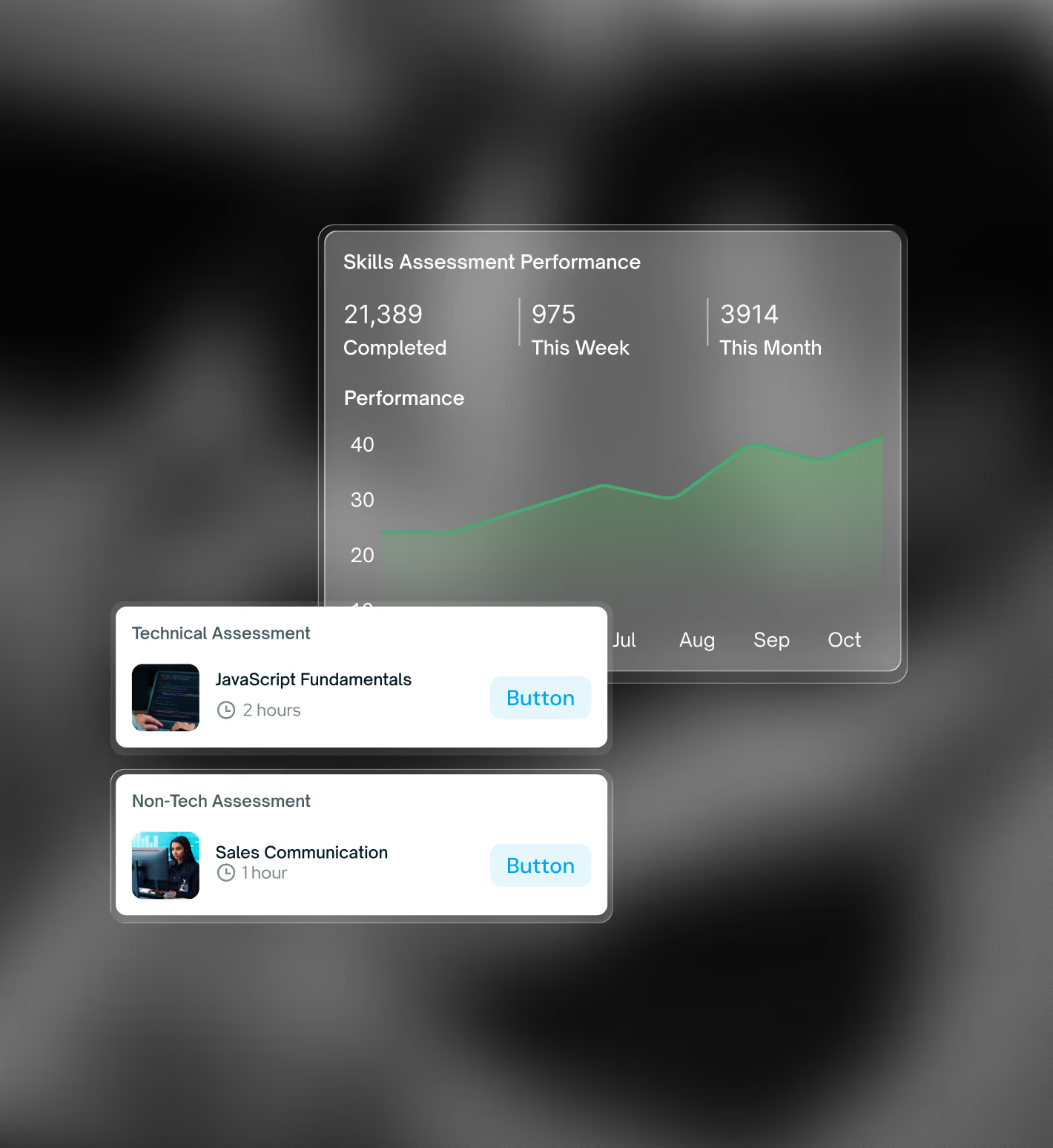
200,000+ questions. 500+ skills. Vetted by 2,000+ subject matter experts.

Resumes don't tell you who can do the job.
A strong resume describes where someone has been, not what they can do today. The same job title means different things at different companies and stages, and hiring teams end up pattern-matching on surface signals that don't reliably predict performance.
Most assessment tools cover tech roles or non-tech roles, not both.
A platform built for engineering evaluation won't work for customer-facing, operational, or behavioral roles. Managing separate tools for each function creates inconsistency and gaps in how fairly candidates are evaluated across different roles.
Unvalidated assessments create legal exposure.
An assessment that hasn't been tested for fairness, difficulty calibration, and job relevance is a liability. Teams need evaluation tools that are defensible — built with input from psychologists, validated by certified raters, and reviewed across varying backgrounds before any candidate sees them.
Shallow signals
Most AI relies on thin inputs like resumes and keywords. It can’t identify warm relationships or trusted connections, which means it’s working with an incomplete picture.
Evaluate what candidates can do.
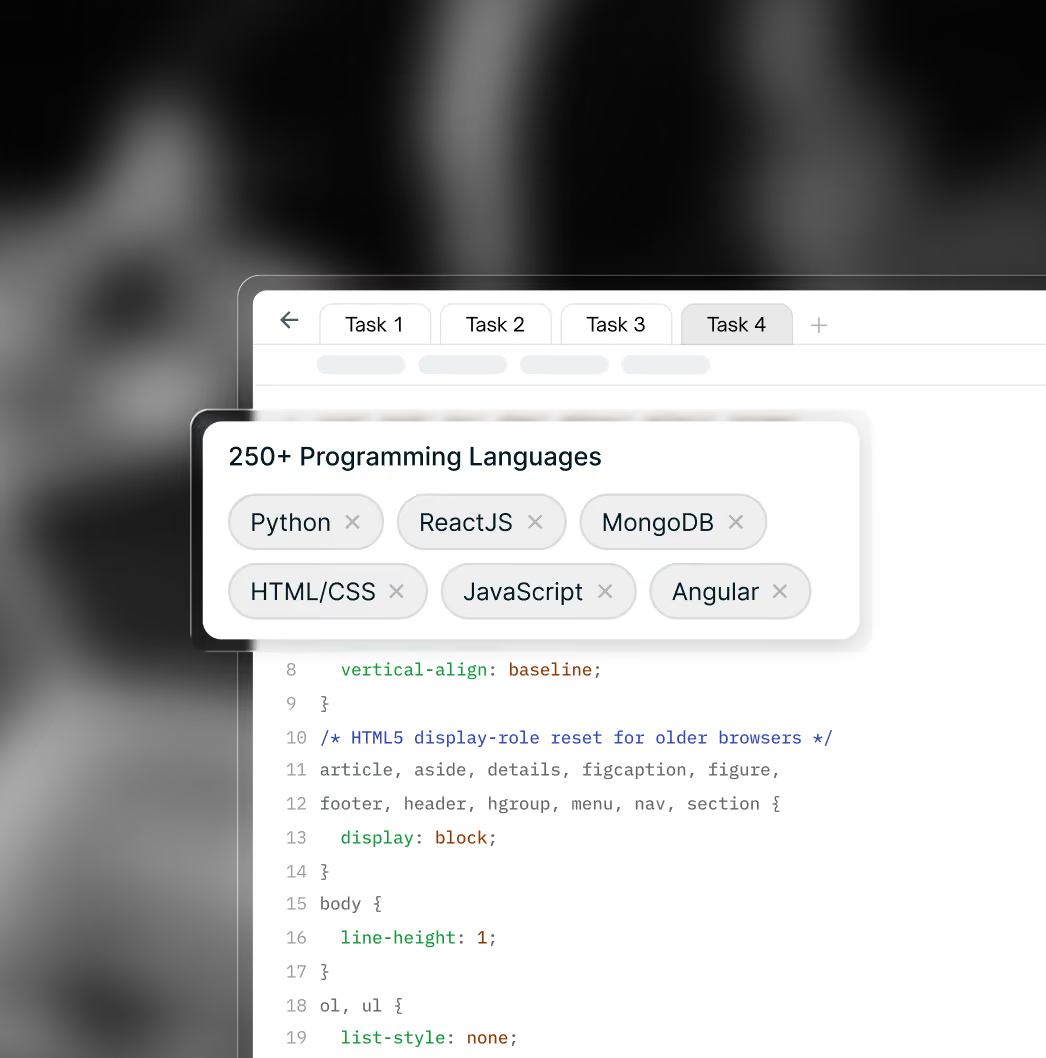
Test technical skill in the actual environment candidates will use.
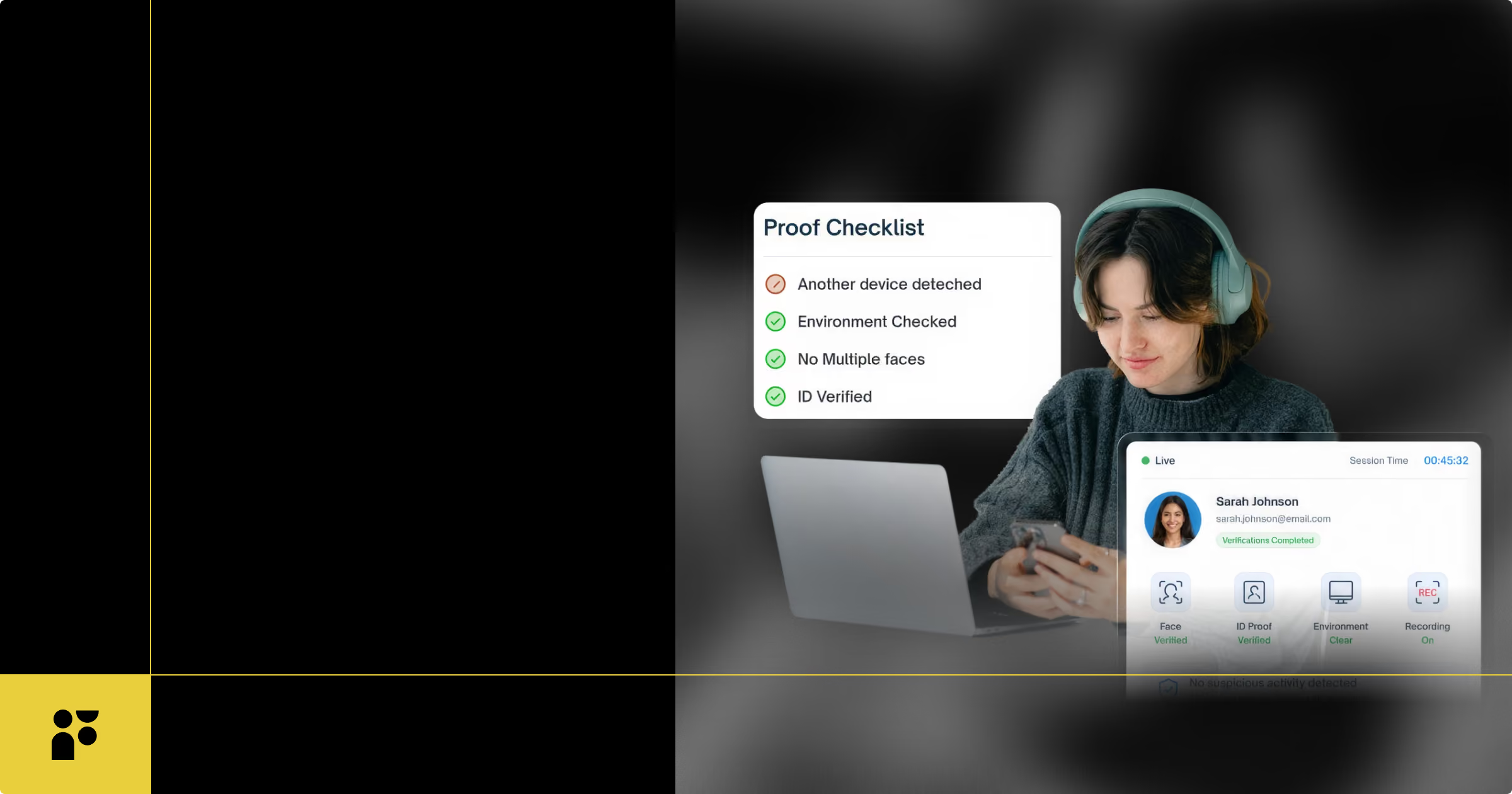
Technical Skill Tests and Coding Simulations evaluate candidates in environments that mirror the tools, languages, and workflows of the role, with over 250 technologies covered and assessments built and maintained by subject matter experts. Auto-grading and detailed performance reports replace manual review, and AI proctoring runs alongside every session to confirm results are earned.
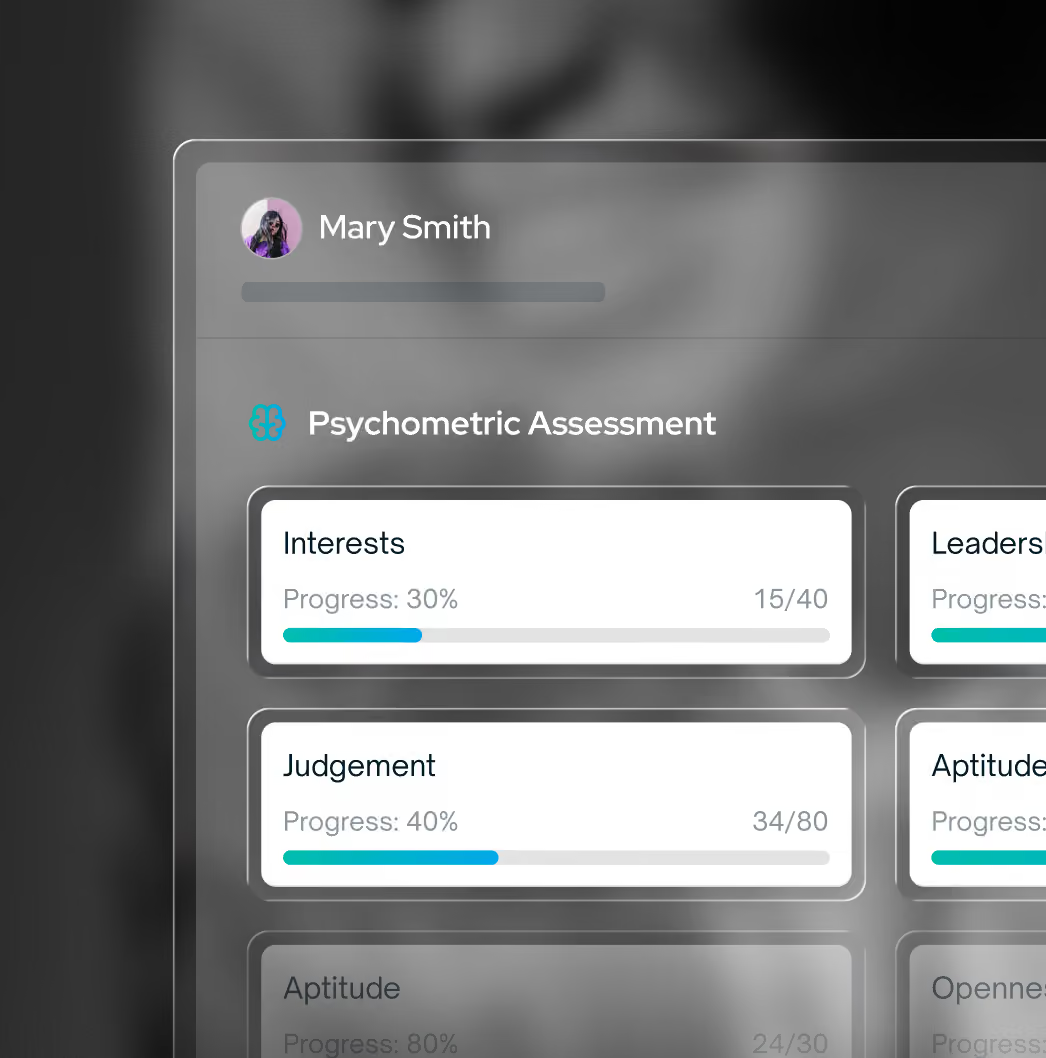
Evaluate fit beyond the technical screen.
Behavioral, cognitive, and role-based assessments give hiring teams a structured way to evaluate what doesn't show up in a coding test: how a candidate thinks under pressure, how they approach problem-solving, how they're likely to work within a team. Each assessment type is developed with input from psychologists and data scientists, validated for difficulty and fairness, and reviewed by multiple parties before deployment.
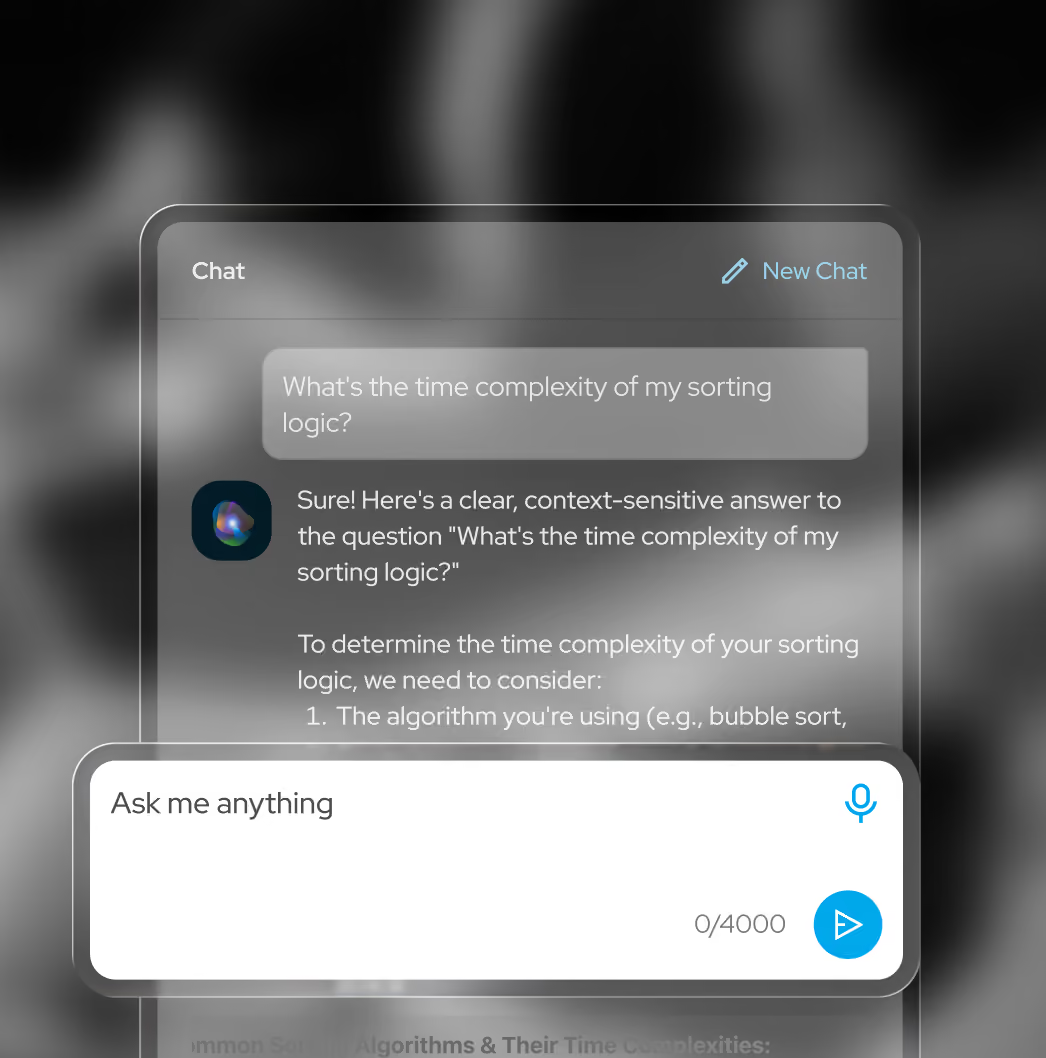
Code reviews that reflect the actual job.
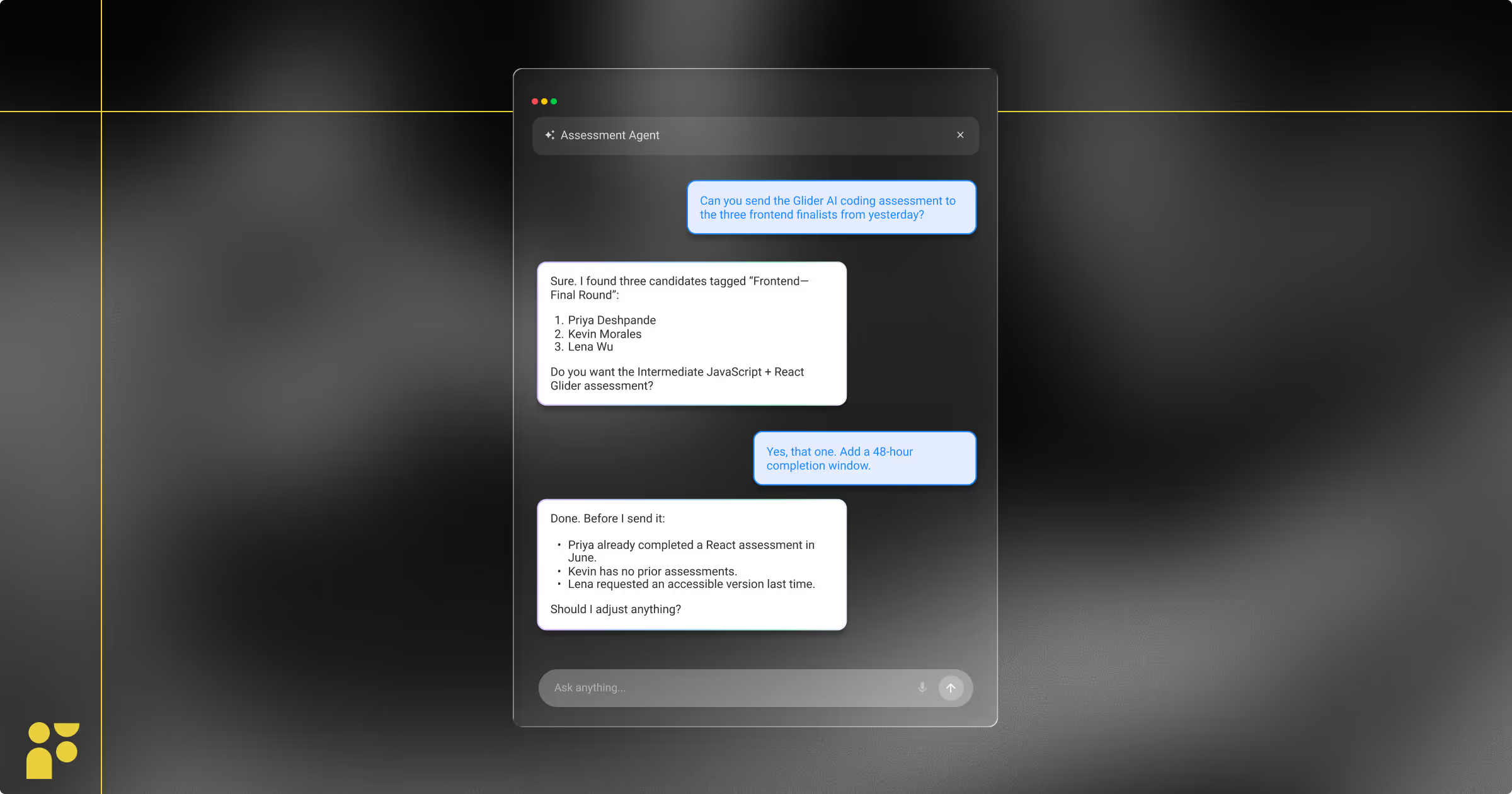
Coding Simulations put candidates in a working environment built to match the actual stack and conditions of the role — demonstrating the specific skills the job requires, not solving a problem designed for a whiteboard. The AI Assessment Assistant can conduct two-way conversations, evaluate communication and problem-solving in context, and flag candidates who stand out. Every simulation runs within the same AI-proctored environment as the rest of the platform.
Frequently asked questions.
How does the Assessment Agent fit in?
The Assessment Agent is a separate, agentic capability that can conduct two-way screening conversations, evaluate candidates against defined criteria, and route results to your team — all within a human-confirmed workflow. It extends the assessment platform into automated screening pipelines without removing recruiter control over final decisions. It lives at its own page and can be added to any assessment workflow.
How does AI proctoring work with assessments?
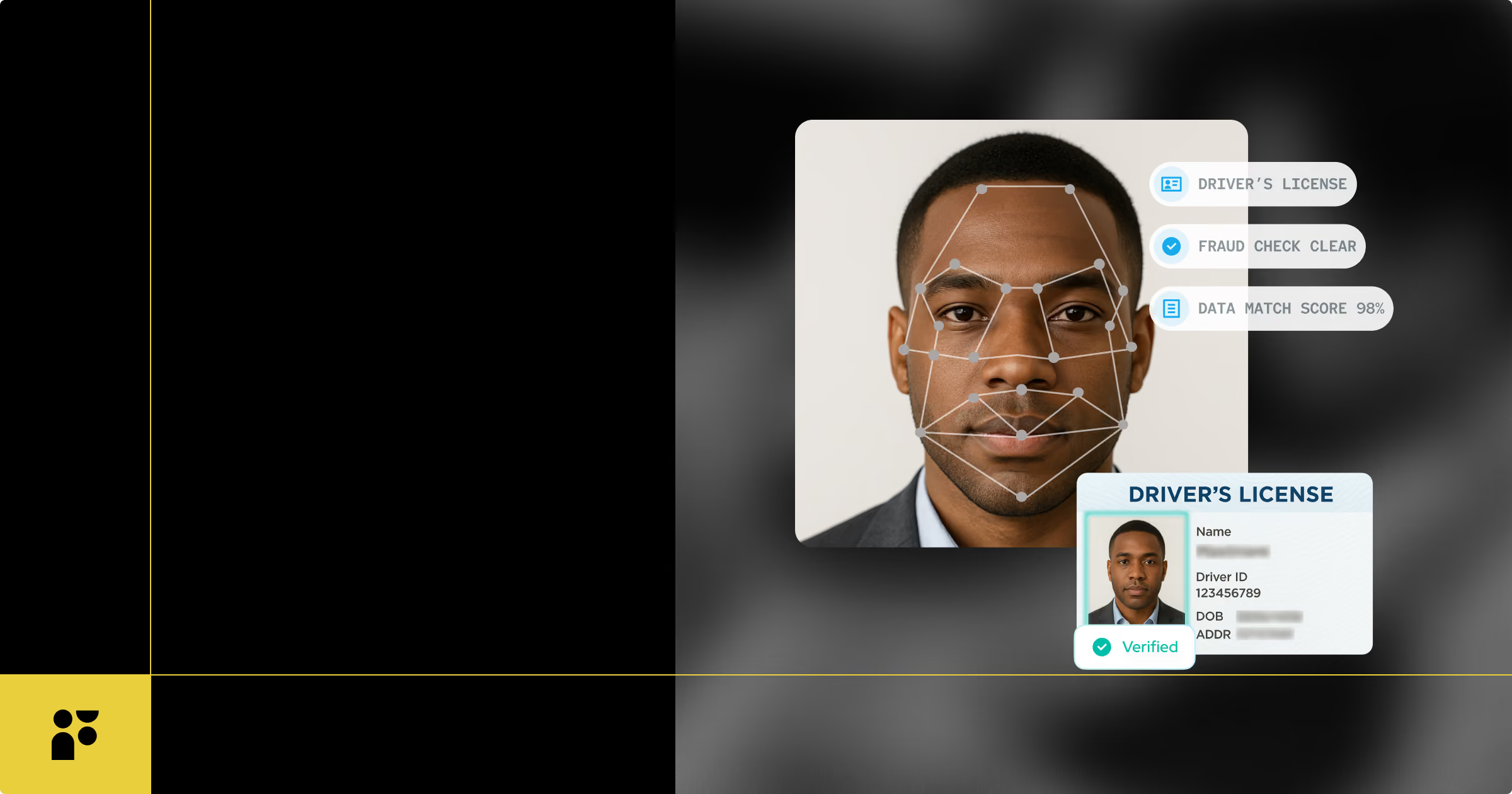
AI proctoring runs continuously throughout every assessment session — before, during, and after. It confirms candidate identity at the start, monitors behavioral signals during the session, and generates a post-assessment integrity report with a cheating probability score. Results aren't just scores; they come with a verified record of how the session was conducted. See the AI Proctoring page for the full list of checks.
Do assessments work for non-technical roles?
Yes. The platform is built for both technical and non-technical evaluation. Behavioral assessments, cognitive tests, personality assessments, and role-based evaluations cover the full range of functions — customer service, operations, finance, healthcare, and more. Auto-grading, AI proctoring, and reporting work the same way across all of them.
How is AI assessment software built, and what makes it defensible?
Each assessment is developed with input from psychologists and data scientists, who evaluate difficulty level, discrimination value, and potential distractors. Certified test raters validate question difficulty and scoring. Multiple reviewers from varying backgrounds check for fairness before any assessment goes live. The result is evaluations that meet the bar for both hiring quality and legal defensibility.
What types of AI candidate assessments does Findem support?
Findem's assessment platform covers six evaluation types: Technical Skill Tests, Coding Simulations, Behavioral Assessments, Cognitive Assessments, Role-Based Assessments, and Industry-Specific Assessments. Together they span 250+ technologies and hundreds of non-technical functions — so teams can evaluate candidates consistently across both tech and non-tech roles without managing separate tools for each.
See people in higher resolution.